












Fully generated documents
A receipt, an invoice or a pay stub created from scratch by ChatGPT or Gemini. The output looks clean, but the texture of the image gives the generator away across the whole surface.
K-Detect, Koncile's vision model, spots receipts, invoices and IDs generated or edited by ChatGPT, Gemini or Flux. Upload a photo or a scan, then create an account to run the analysis.
Create a free account to run K-Detect, our detection model for images and documents generated or edited by AI.
Create a free accountFor document volumes or an API, talk to an expert.
The AI generated document detector used by insurers, banks and large companies
 4.8 / 5
By eye, it has become close to impossible: across 287,000 images judged by 12,500 people, a 2025 Microsoft study measured 62% correct answers, barely better than chance. Three methods exist, from the simplest to the most reliable.
On 314 receipt photos including 114 fakes, never seen in training, K-Detect, our machine learning model, catches 92% of the fakes, against 56% for the best LLM.
LLMs read the text, not the pixels
They miss almost every realistic edit
K-Detect is trained specifically to detect the latest image generators fraudsters are likely to use, from frontier labs like OpenAI, Google, Black Forest Labs, ByteDance, Alibaba, xAI, Meta, and more. Koncile updates its model every month, checking its accuracy against the latest frontier AI models available.
K-Detect is a vision network trained by Koncile. It does not read the text of the document: it looks at how the image was produced.
A receipt, an invoice or a pay stub created from scratch by ChatGPT or Gemini. The output looks clean, but the texture of the image gives the generator away across the whole surface.
The most common case: a real photo where a generator rewrites the total, the date or the merchant, and regenerates a large part of the image on the way.
The model also learned from 2,625 real customer documents and their edits: IDs, vehicle registrations, driving licences, pay stubs and bank statements photographed.
Wherever a photo of a document counts as proof, an image generator is enough to fake it.
Restaurant, taxi or fuel receipts edited to inflate an amount, read before every reimbursement.
Repair invoices, claim photos, proofs of purchase: every document in a claim file checked on arrival.
IDs and supporting documents photographed at onboarding, analyzed together with their content.
Yes, in most cases. ChatGPT, Gemini or Flux leave a texture in the pixels that comes from how they work. K-Detect, trained on fakes from 39 generators, recognizes it even when the document looks perfect to the eye. The C2PA signature some tools add helps when it survived, but it disappears with the first screenshot.
A general purpose detector is not: it learned on photos of faces or landscapes. On receipts, K-Detect rates 98.1% of fakes as medium or high risk and wrongly rates only 1% of real receipts as high risk. The score remains a signal to verify.
Because an LLM reads the text and does not look at the pixels. On our test set, general purpose LLMs catch 31 to 68% of fakes and almost no realistic edit.
Photos and scans of documents: receipts, invoices, IDs, vehicle registrations, driving licences, pay stubs, bank statements. For a native PDF, Koncile also reads the file itself: producing software, versions, fonts.
The first document is free once you create an account. For volume or API access, the Advanced plan is €199 per month, about €0.20 per page.
No. It is analyzed securely, deleted after the analysis and never used to train a model.
Each document gets its own method: a proprietary ML model for photos, known metadata and forensics for native PDFs, and contextual cross checks.
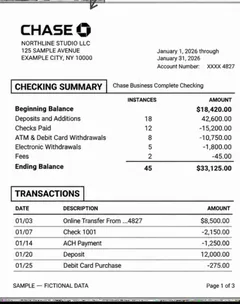
Inflated balances, deleted lines, a PDF rewritten with software other than the bank's.
See the detection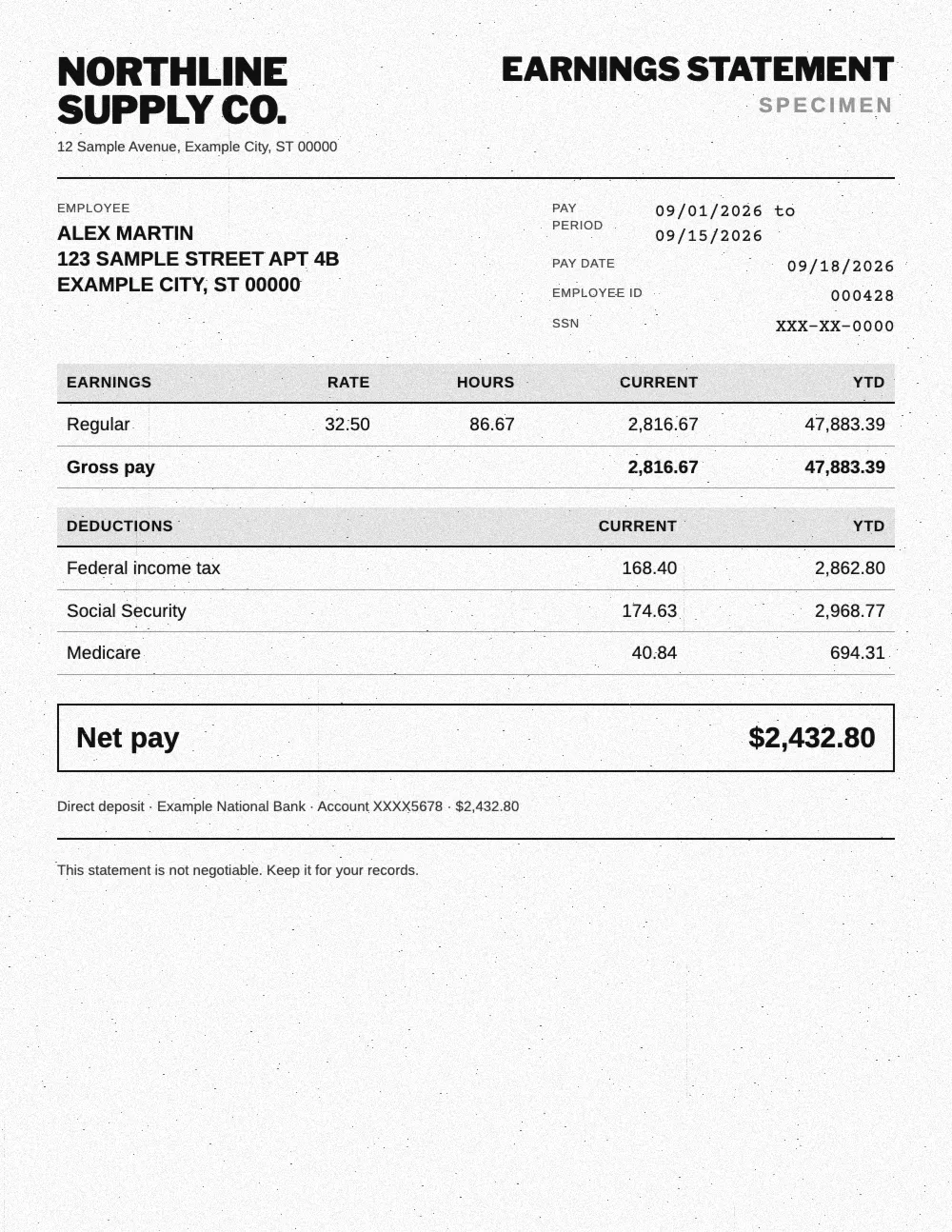
Net pay changed, contributions that do not match gross pay, a layout that does not match the payroll software.
See the detection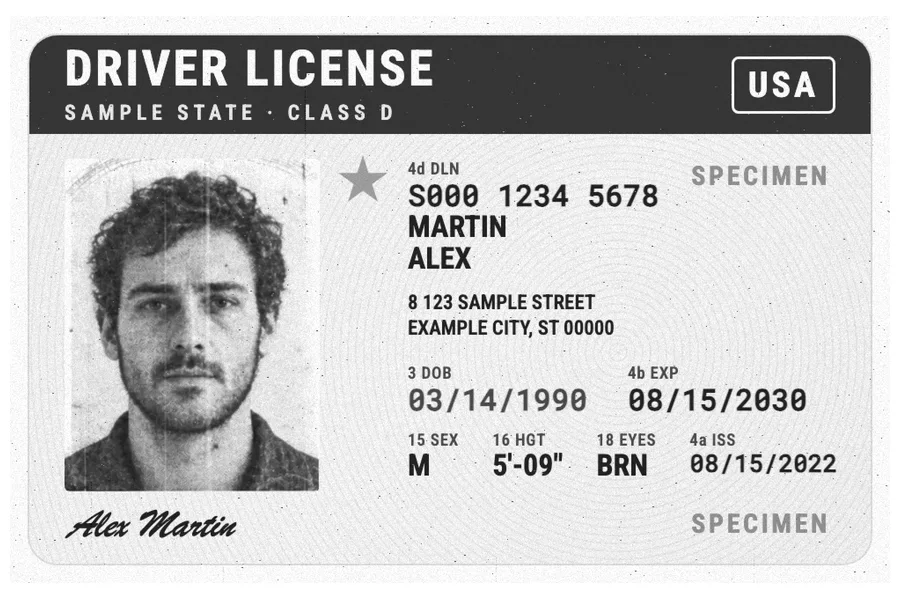
Photo replaced, date of birth or number changed, an MRZ that no longer matches the fields.
See the detection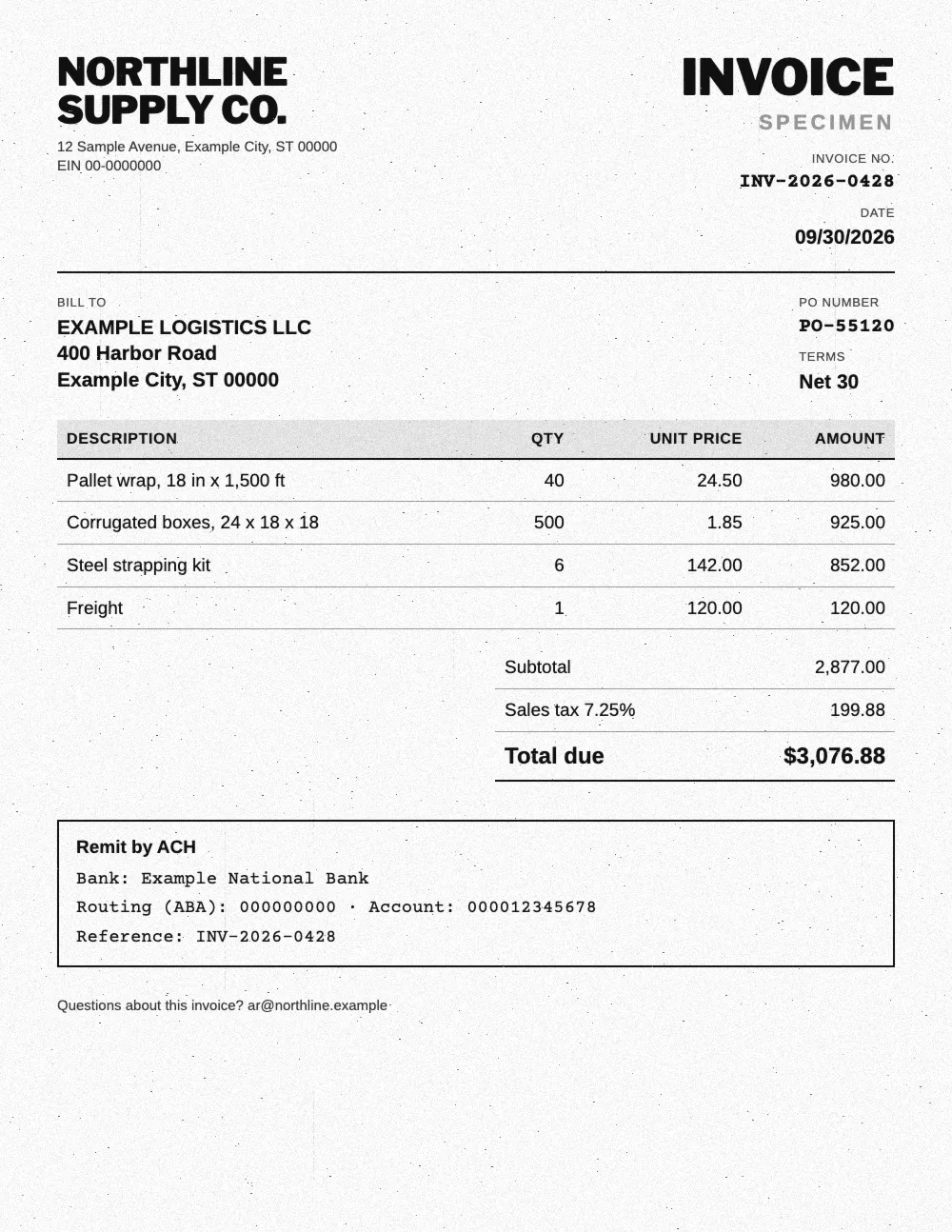
Edited amounts, wrong VAT, duplicates and made up suppliers.
See the detectionUpload your bank statements, pay stubs or IDs: Koncile extracts the data and flags fakes in seconds.
Talk to an expert