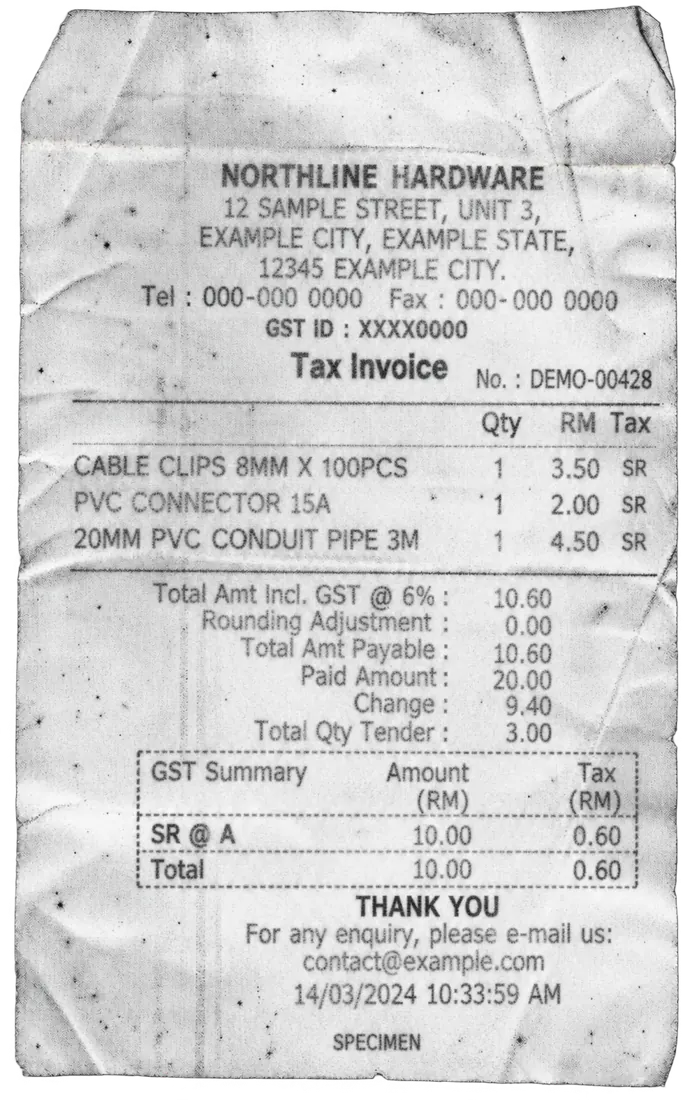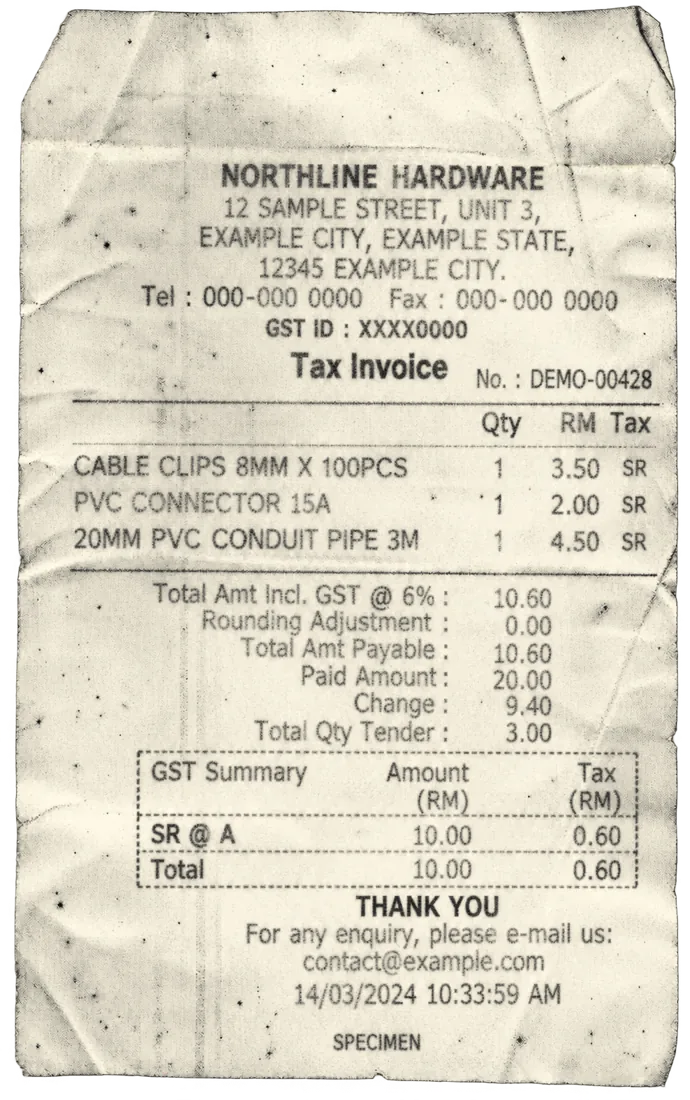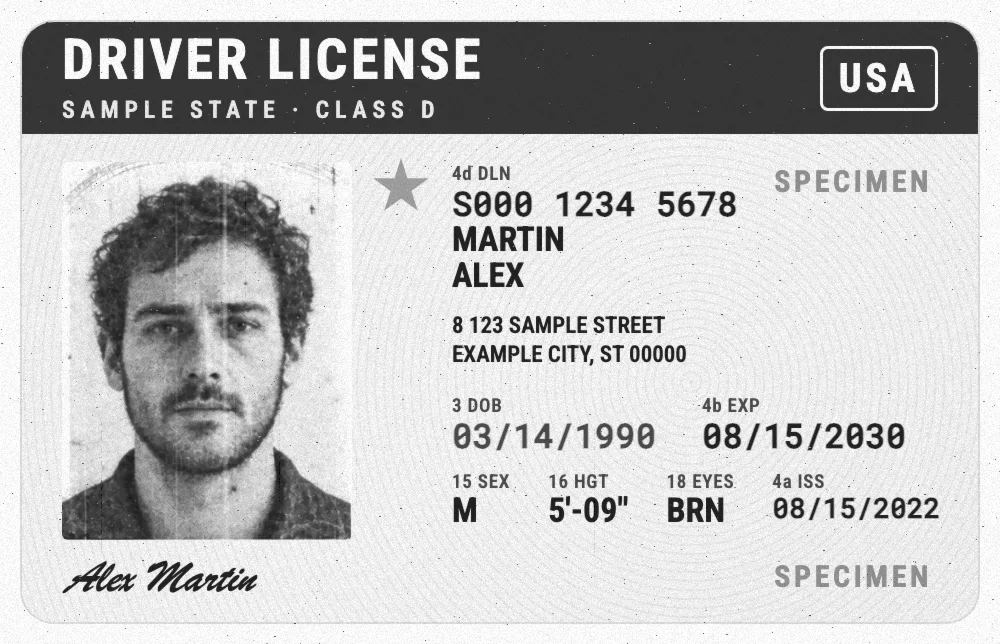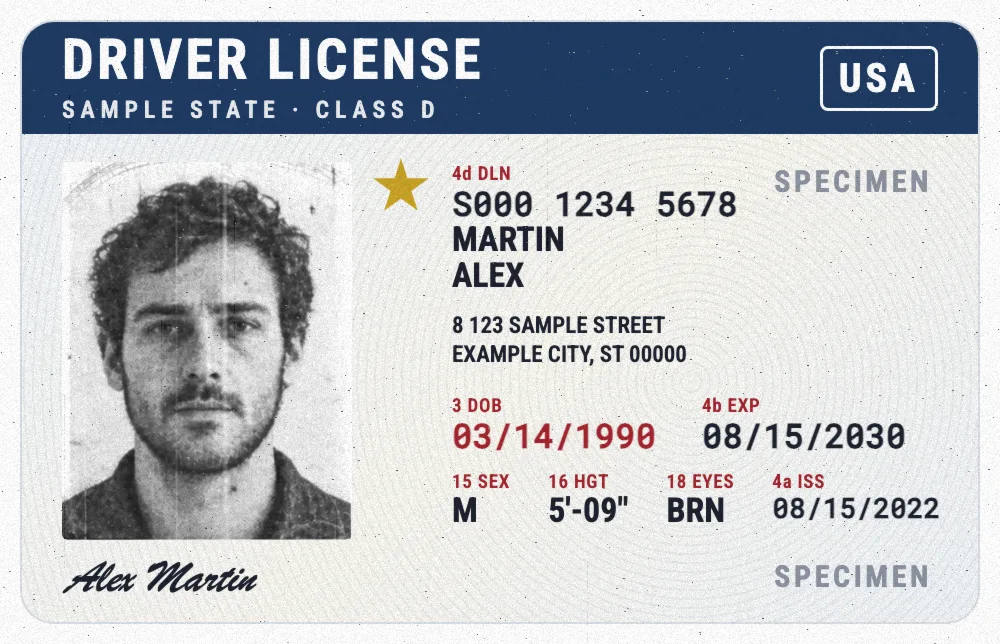






AI multiplies forgeries
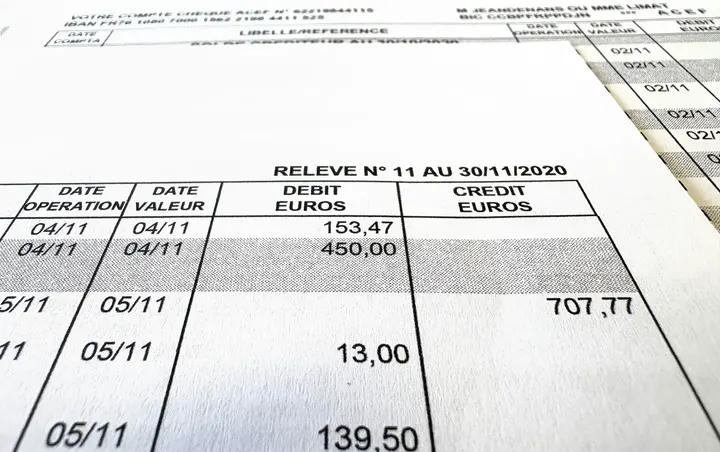
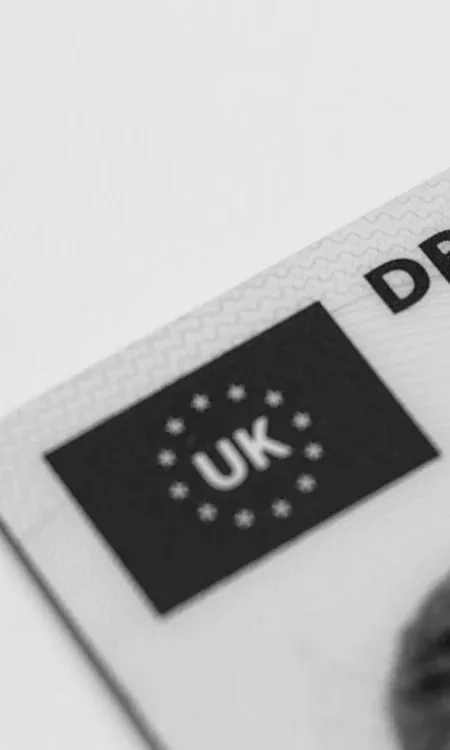
A bank statement, a payslip or an ID card can be made or edited in minutes with a generative tool, with no trace visible to the eye. Insurers, lenders and KYC teams see these documents enter their processes.
Koncile is the fake document detection software that spots forged, edited and AI generated documents through forensic, visual and semantic analysis.
The anti fraud solution chosen by insurers, banks and large companies

A bank statement, a payslip or an ID card can be made or edited in minutes with a generative tool, with no trace visible to the eye. Insurers, lenders and KYC teams see these documents enter their processes.

An accepted forgery is a claim paid by mistake, a loan granted on invented income or a fictitious supplier paid. Manual review can no longer keep up with volume: it ties up experts and lets the best forgeries through.

Software that reads every incoming document and runs it through forensic, visual and semantic checks: file metadata, editing traces, consistency of amounts, comparison with known official documents. It returns a score from 0 to 100 and the list of anomalies, so the team can decide fast.
Koncile built technologies to address the diversity of forgeries: specialised models for image tampering, detailed knowledge of how LLMs behave, and content consistency analysis with a reading grid designed with specialists.
Koncile built K-Detect, an AI detection model that spots photo edits and partial or full AI generation.


Koncile models learn from a set of forgeries met in real conditions, built together with our insurer, lender and audit firm customers, rather than from synthetic examples generated for training.


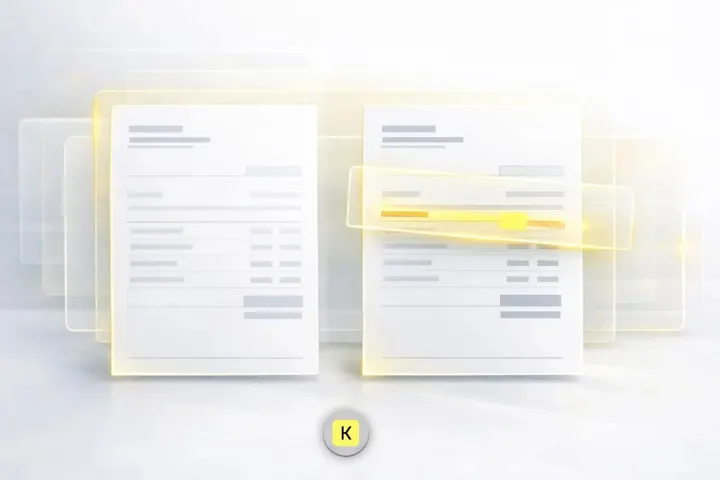
Every document is compared with the known templates of its issuer: format, metadata, writing style.


Koncile works with accountants, lawyers, compliance experts and industry specialists to identify the inconsistencies fraudsters leave behind. Faking a payslip is very complex, and almost always leaves anomalies.


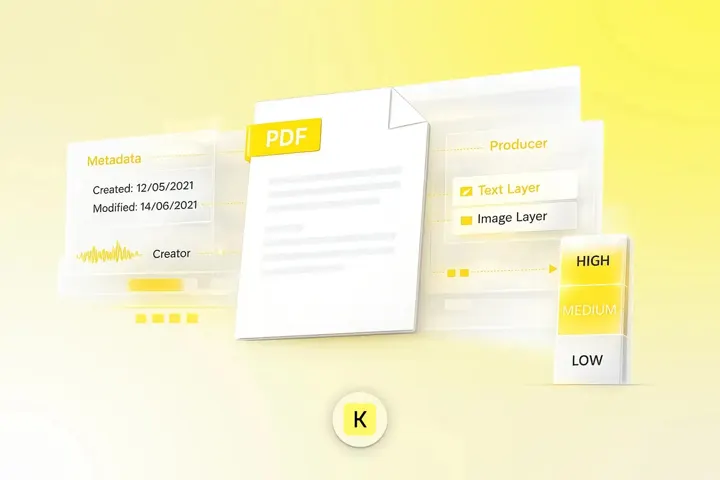
Koncile reads the structure of the PDF file, not just the image: metadata, versions, fonts and producer software give the edit away.


Every document is cross checked against more than 30 external databases: company registers, banking references, vehicle databases, data leaks.


On 1,200 bank statements including 400 forgeries, Koncile detects 89% of the forgeries, against 51% for the best LLM. Same test set and same threshold for every model.
LLMs are not built to detect forgeries
These general purpose models ignore fraud patterns
Insurers, fintechs, audit firms, manufacturers and healthcare players: published case studies, video interviews and verified reviews, in Europe and the United States.

Barely three months after going live, we saved about 70% of the time spent checking documents. Between 95 and 99% of the data is read automatically by Koncile.

It takes three minutes to create the Koncile button on the scanner, and the team is up and running right after. Hardware alone is no longer enough: hardware plus solution is what creates the added value.
Koncile secures the processing of our insurance documents: extraction and fraud detection make us more reliable on the statements and documents we receive.

We receive documents from all our rental partners in very different formats. Koncile extracts and structures them down to the detail: the data arrives ready to export, with no retyping.

Before Koncile, consolidating certificates took several days. Now it takes a few hours, with 100% traceability and simpler audit preparation.
Across several million documents a year, extraction and fraud detection keep the promises we make to our customers.
The success rate is close to 100%, even on an exam code that is not present on the document.

What I appreciate with Koncile is its ability to extract any piece of information from a document.

Koncile integrates in under an hour.
Thanks to Koncile, processing receipts no longer takes a whole team: one person is enough, and document checking is 3 times faster.
We connected Koncile through the API in a few days. It processes tens of thousands of invoices a year, at a third of the cost of the tool we used before.

Koncile read our invoices, student files and teacher contracts from day one. We cleared a backlog of several thousand documents in a few days.

For each of the most forged document types, discover Koncile's specific method for optimal detection: proprietary ML model for photos, cross checks with known metadata and forensics for native PDFs, and contextual cross checks.
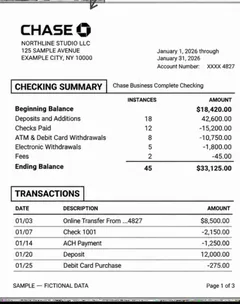
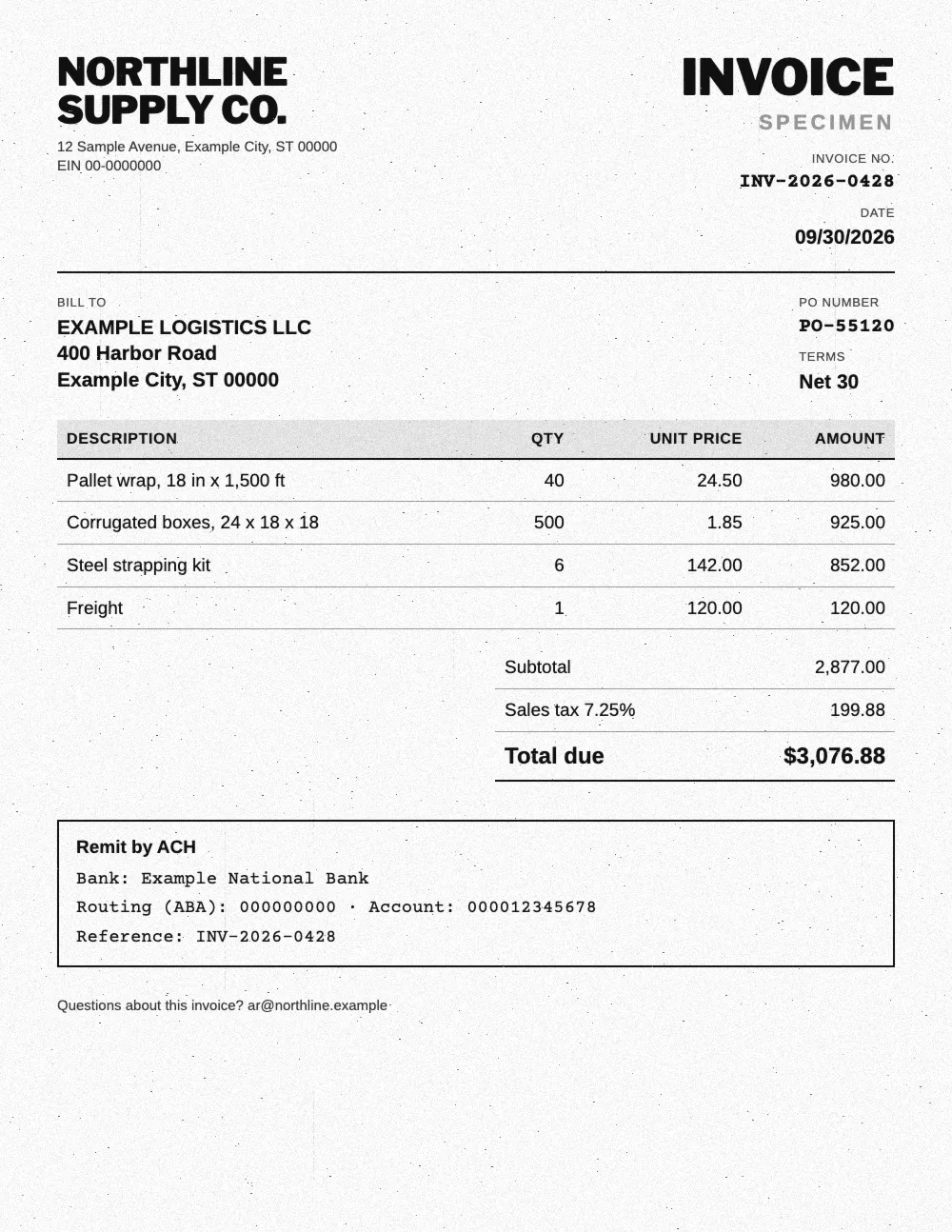
Inflated balances, deleted lines, PDF rewritten with software other than the bank's.
See the detection
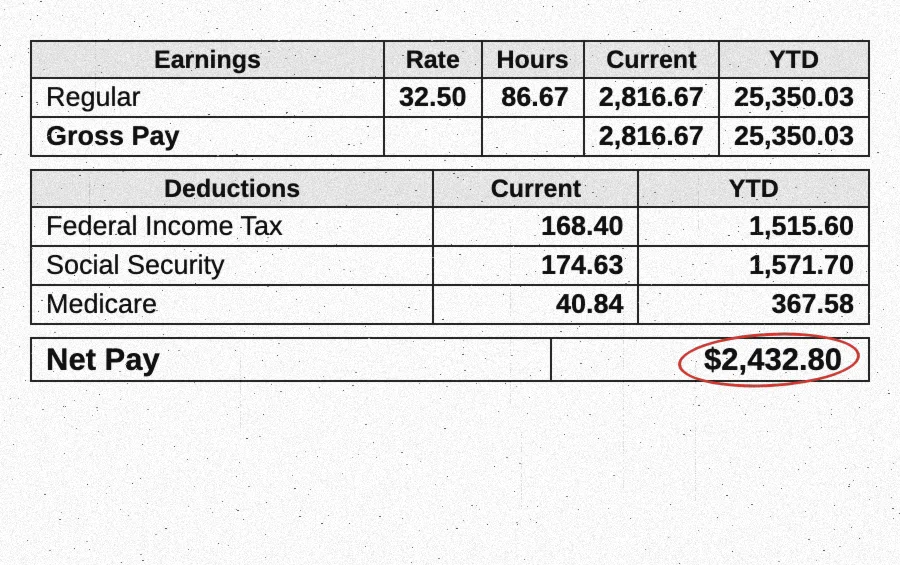
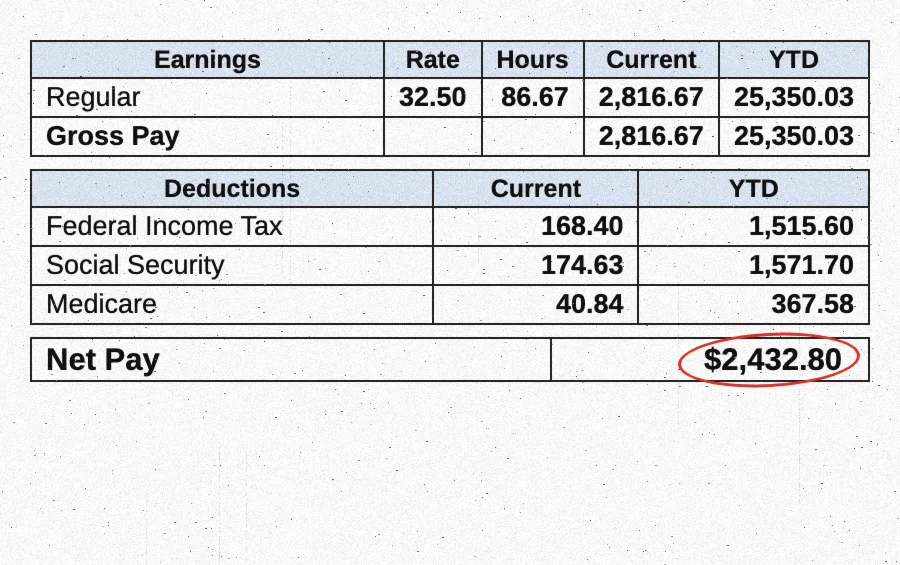
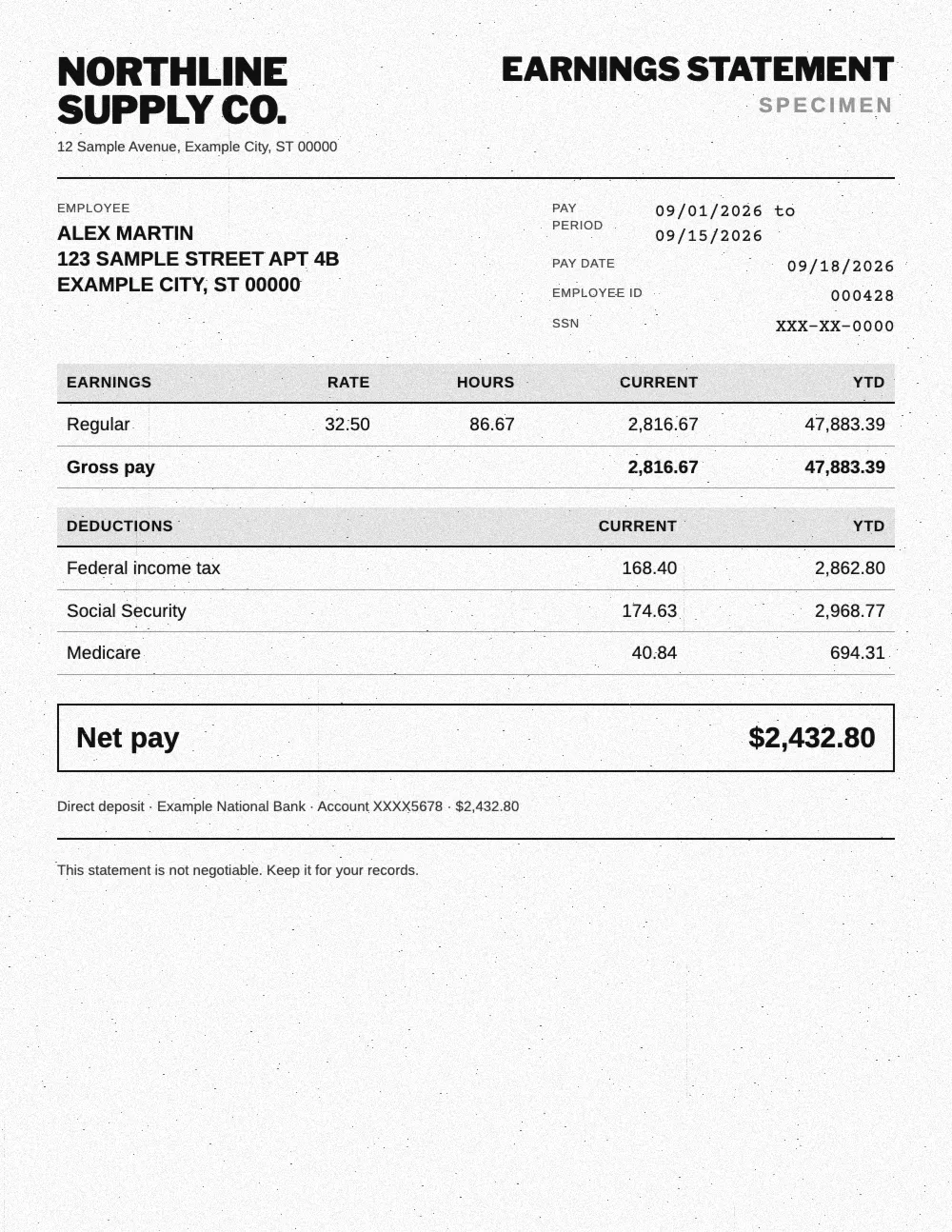
Edited net pay, contributions inconsistent with gross pay, template that does not match the payroll software.
See the detection
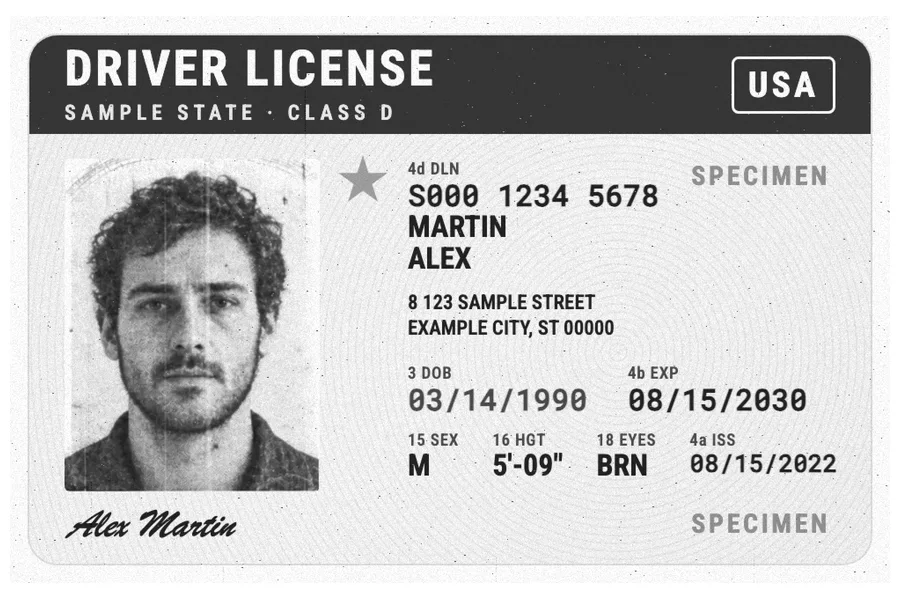
Replaced photo, edited birth date or number, MRZ strip that no longer matches the fields.
See the detection
Edited amounts, wrong VAT, duplicates and invented suppliers.
See the detection
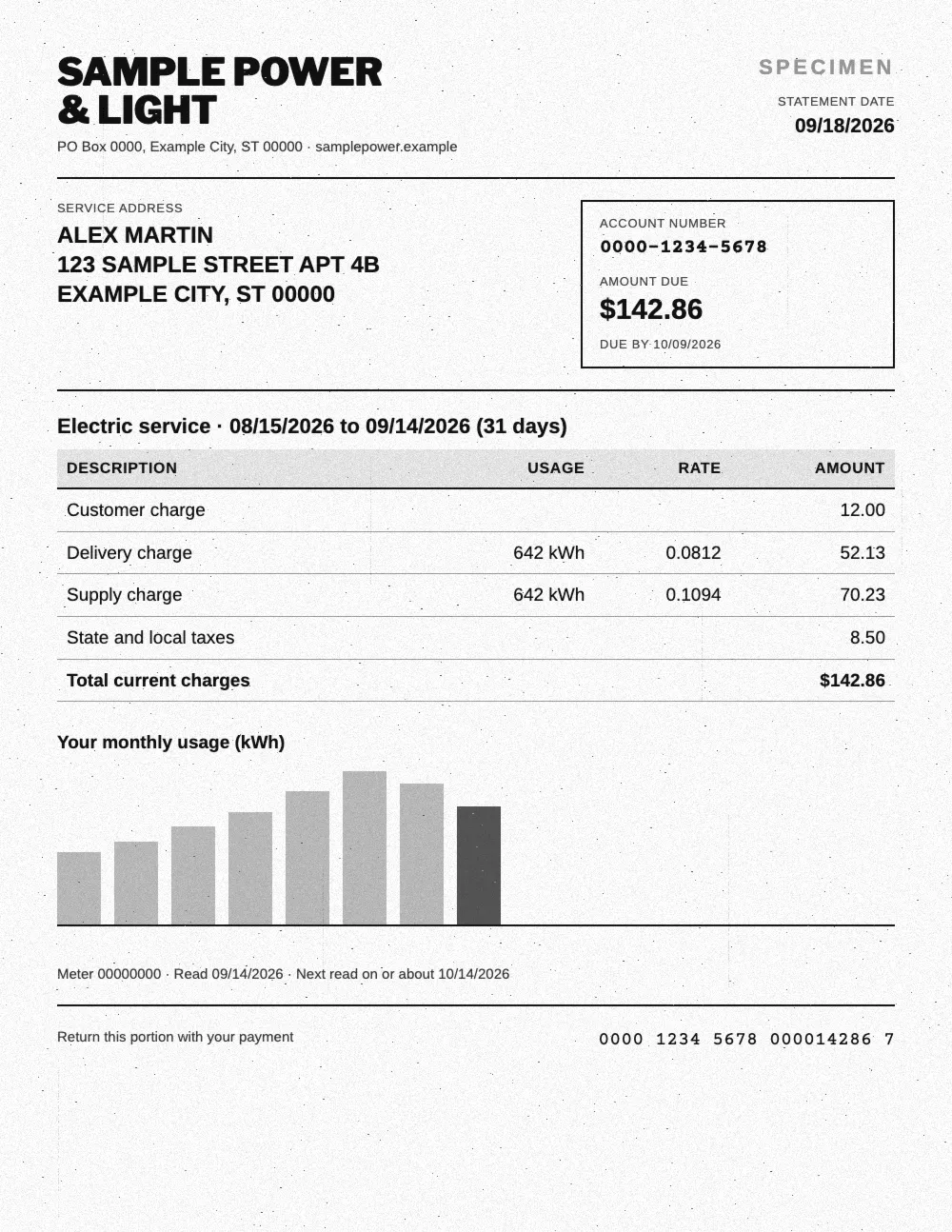
Address or name replaced on an energy or phone bill, date made more recent.
See the detection
Inflated reference income, edited number of shares, recomposed tax number.
See the detection
Changed holder or plate number, scan recomposed from several documents.
See the detection
Added or amplified damage, AI generated image, missing capture metadata.
See the detectionFounded by a former lawyer, Koncile was designed with compliance and data protection at the heart of its architecture. We are audited by a third party against SOC 2 standards and comply with GDPR, HDS and HIPAA requirements.


One platform to extract, check and secure every document in your flow.
Customer onboarding, identity verification and income validation.
Supplier onboarding, invoice fraud detection.
Loan origination, mortgage verification and BNPL risk analysis.
Claims validation and new customer onboarding.
Fraud detection in onboarding and transactions.
Seller verification and document risk control.
Analysis
Study of 150,000 scanned or native statements: the nine checks that bring forgeries down, from the creation software to the balances.
Read the article
Comparison
The ten tools on the market put to the test: what they see, what they miss, and for which document type.
Read the article
Analysis
With AI, building your own pipeline has never looked so easy. What in house fraud detection really costs.
Read the article
Comparison
Every vendor claims high accuracy rates. On a prescription, that is not the right question.
Read the article
Analysis
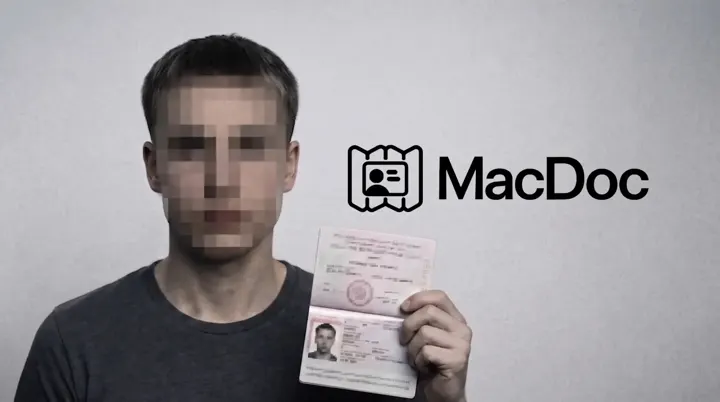
An investigation into MacDoc, the fake passport generator built by the same engineers behind OnlyFake, the tool already shut down by US authorities.
Read the article
Feature
Document deepfakes pass classic checks: how to detect AI-generated fake documents in 2026 with semantic coherence analysis.
Read the article
Comparison
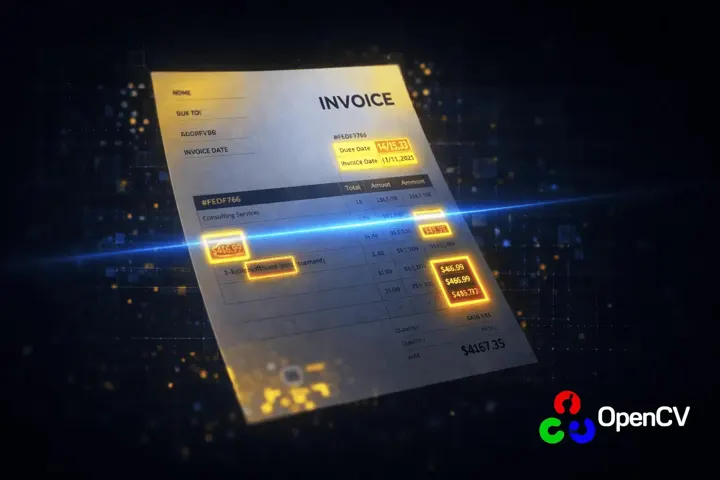
Document fraud detection with OpenCV in Python: real tests and limitations.
Read the article
Feature
How invoice fraud works, the most common red flags, and why basic controls are no longer enough.
Read the article
Feature
How weak technical signals reveal document fraud risks.
Read the articleDocument fraud means producing or editing a document to obtain an undue advantage: a loan, a payout, a contract, a job. It ranges from traditional photo editing techniques to the use of AI. The practice is punishable by law.
To get the best possible detection, Koncile combines machine learning models trained on fakes, the identification of fraud patterns and of digital traces left in files, and the detection of inconsistencies (e.g. amounts, totals, dates).
Across 1.6 million documents processed, bank statements, payslips, invoices, ID documents or proofs of address, Koncile flagged 5% as manipulated or transformed files. We measure detection document type by document type, on test sets where the fakes are known: on scanned bank statements, for example, 89% of fakes are caught, versus 51% for the best language model. Each rate is published together with what we do not measure yet.
Koncile's false positive rate is 1.5%. A poorly calibrated metadata test flags 10 to 20%, which is why Koncile calibrates every check by issuer and by channel. A verdict remains a signal to verify, not an accusation.
The Advanced plan is €199 per month, about €0.20 per page, with API, SDK and MCP access. The Enterprise plan is quote based. The online checker stays free for a first document. See pricing.
Yes. It is encrypted and deleted as soon as the analysis is complete unless you keep it in your history. It is never shared, sold or used to train a third party model. Koncile is SOC 2 certified. Security policy.
Bank statements, payslips, invoices, identity documents, proofs of address, tax notices, company registers, prescriptions, driving licences, in around thirty countries and several languages. All documents.
REST API, Python and JavaScript SDKs, webhooks and MCP server: one call returns the extraction and the score. Ecotable connected Koncile through the API in a few days. See the API.
Yes, for PDFs as well as images, thanks to the known traces left by generators: 5.2% of the PDFs in our corpus are AI generated. Video deepfakes are out of scope, and we say so plainly.
Yes: Koncile includes an OCR that extracts precise data, then cross checks it between documents. Identity, income, dates, addresses or bank transactions that do not match. It can also easily identify several documents within a single file.
Koncile is a tool built for professionals. Banks and fintechs, insurers, KYC teams and healthcare providers: Meelo, Toyota Assurances, ADN Solutions, HealthNet Homecare, 1stKYC.
Because it does not only look at the image: it cross checks the file, the image and the content, then compares each document with the known documents of its issuer, bank by bank, software by software. On 1,200 scanned statements, it detects 89% of the forgeries, against 51% for the best language model.
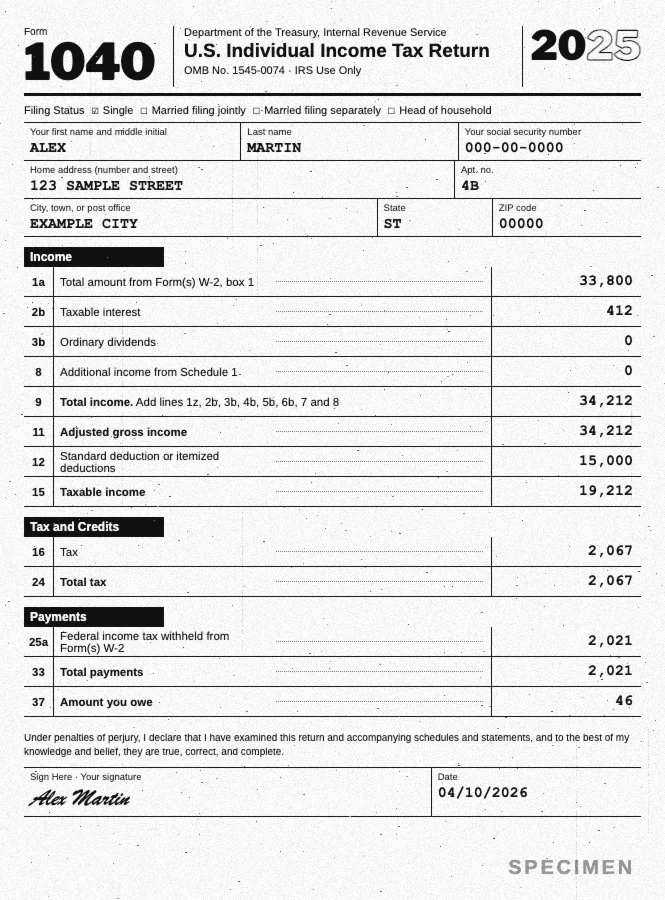
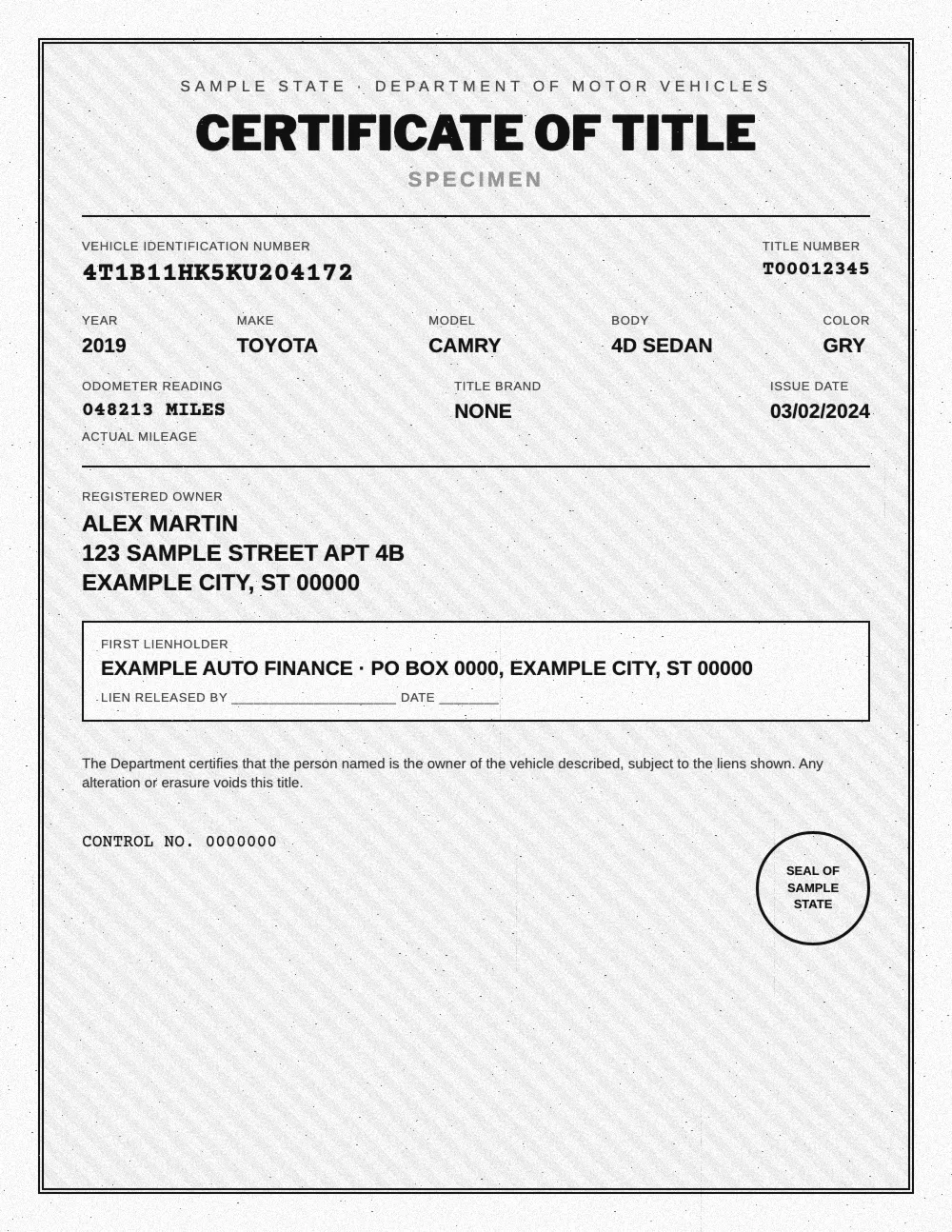
A language model reads the document like a human in a hurry: it sees neither the file metadata, nor pixel level editing traces, nor the issuer's usual template. A clean forgery, rewritten with the right software, goes through without an alert. Purely visual tools, for their part, do not check that the amounts add up.
Because they apply the same threshold to every document: a statement exported from a bank's app has unusual metadata without being fake. Without a reference by issuer and by channel, these tests produce 10 to 20% false positives. Koncile calibrates every check on what each issuer actually produces.
Upload your bank statements, pay stubs or IDs: Koncile extracts the data and flags fakes in seconds.
Talk to an expert