











Reconcile the running balance
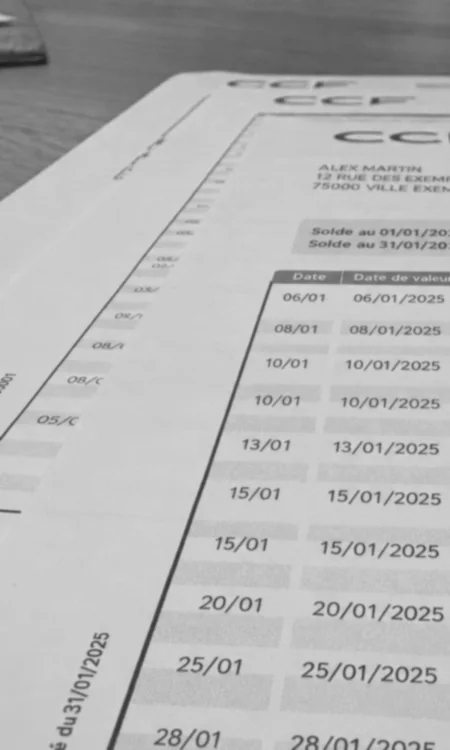
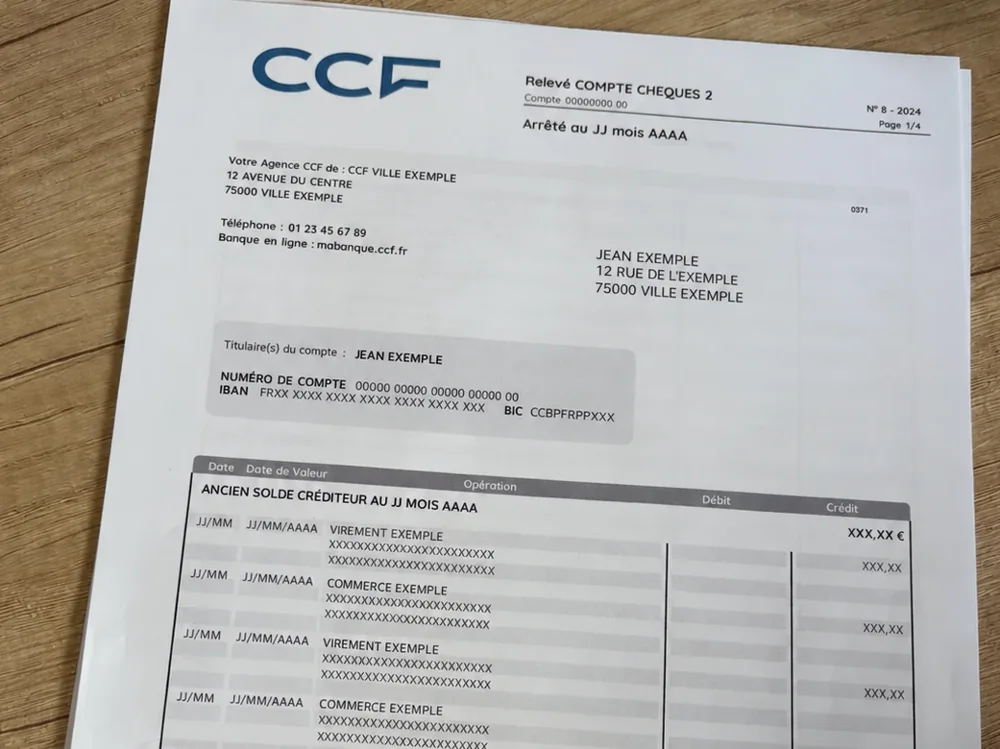
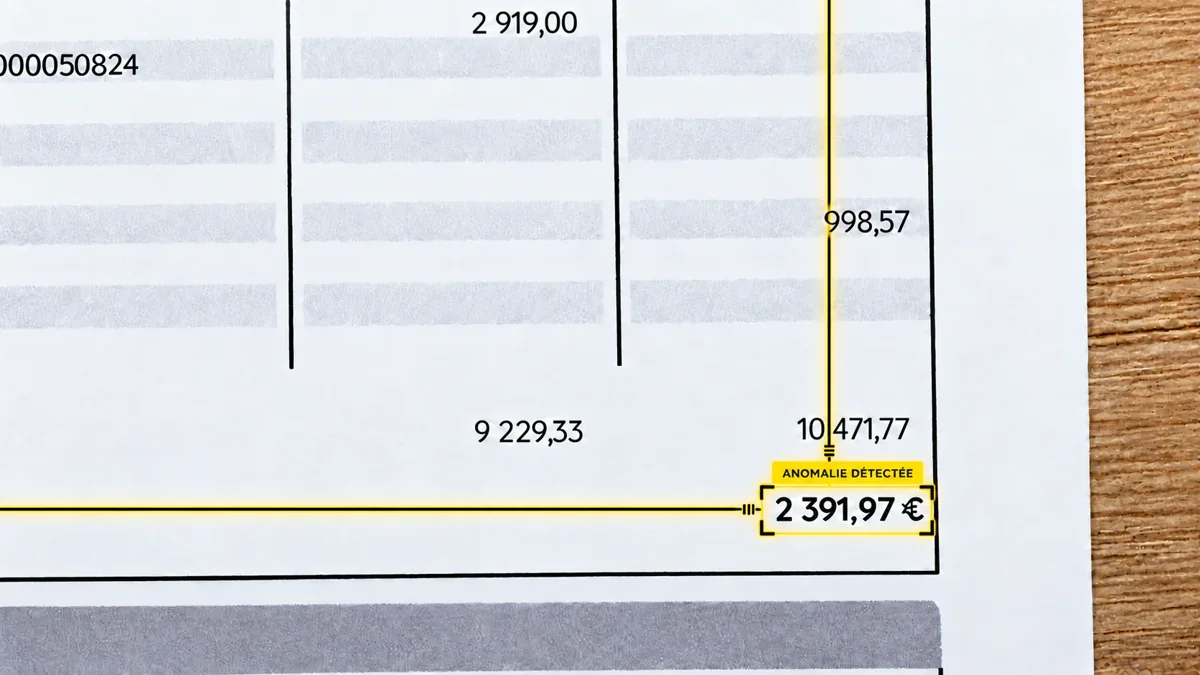
Start from the opening balance, add credits, subtract debits: you must land on the closing balance, page by page, then on the page totals. Only 9 of 3,600 fakes had wrong balances: fraudsters know how to recalculate.
The bank statement verification tool that checks compliance and detects manipulation. Calibrated on over a million documents, fraud score from 0 to 100.
Create a free account to run the analysis.
Create a free accountFor document volumes or an API, talk to an expert.
The bank statement checker used by insurers, banks and large companies
 4.8 / 5
To cover digital fakes, screenshots, scans and photos alike, the fake bank statement detector has five levels of checks. Edits leave traces we know, either in the pixels or in the computer file.
Each bank has its own PDF production chain, its own way of producing documents. We know them. We capture 38 signals in each PDF and compare them with your document.





















We run a proprietary AI model trained on fakes. It detects documents fully generated by AI from a photo of a real one, as well as localised edits on part of a statement.
 AI detected82/100
On a scan or a photo, the image itself is analysed, in particular areas cloned with tools such as Photoshop or GIMP, white patches over a line, text laid over the original, or fonts that do not match the rest of the page.
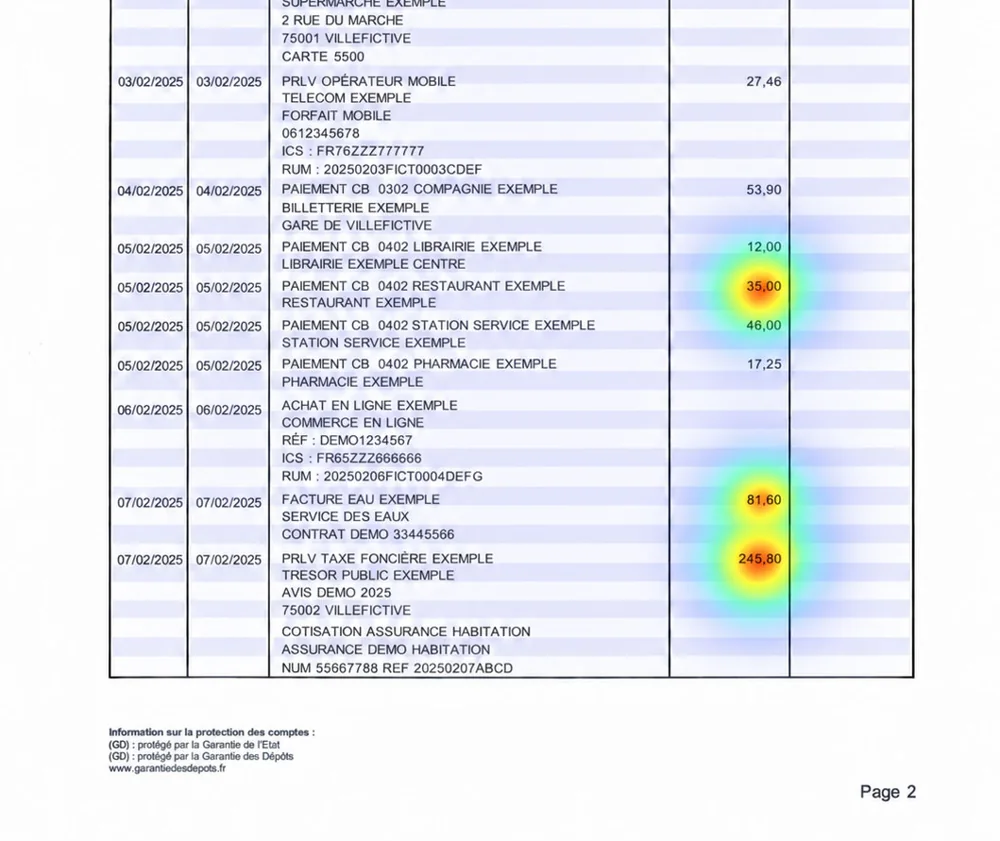
The IBAN is validated, the bank code is matched with the issuing bank, and the account details are compared with external databases. The statement is checked against the world outside the file, not only against itself.
 Valid IBAN
 2D-Doc verified
 SWIFT BIC verified
Editing lines very often leaves inconsistencies in amounts, opening balance, debits, credits and dates. The AI fake bank statement detector runs multiple cross checks and calculations to expose fraudsters.
About 2.4% were forged, around 3,600 fakes. Most of the fakes detected are “digital”: alterations of native documents produced by the banks' own tools.
How fake bank statements are made
Breakdown of the 3,600 fakes in our database
Almost one fake in two comes out of a plain PDF editor.
Koncile study of 150,000 scanned or native statements, September 2026.
Without a tool, these three checks stop clumsy fakes in ten minutes. A tip: ask for a native PDF to check the metadata as fully as possible.
Start from the opening balance, add credits, subtract debits: you must land on the closing balance, page by page, then on the page totals. Only 9 of 3,600 fakes had wrong balances: fraudsters know how to recalculate.
Income, rent, existing loans: check what the file has to prove. Be wary of perfectly round salaries and repeated transfers with no description. Check the holder on every page and the bank code in the IBAN: changing the name is the quietest fake.
Use our free PDF metadata viewer and look in particular at Creator, Producer and the timestamps. A native statement comes out of a bank's production chain. Word, Canva or a PDF editor are often red flags, iLovePDF a medium signal. An edit after issue deserves a question.
Koncile's fraud detection API gives you a score (0-100) and detailed explanations of manipulation risks, right inside your own tools.
Cross checks and verification of every transaction.
High, medium or low level, with a one sentence explanation.
High risk from 80.
A one line summary ready for your information system.
curl -X POST https://api.koncile.ai/v1/upload_file \ -H "Authorization: Bearer $API_KEY" \ -F "files=@releve.pdf"requests.post("https://api.koncile.ai/v1/upload_file/", headers={"Authorization": f"Bearer {API_KEY}"}, files=[("files", open("releve.pdf", "rb"))]){ "status": "DONE", "General_fields": { "Bank": {"value": "BoursoBank", "confidence_score": 0.99} }, "Line_fields": { "Credit": [{"value": "1850.00"}, {"value": "120.00"}] }, "Fraud_detection": { "risk_score": 82, "summary": "PDF edited after issue: credit line changed", "signals": [ {"name": "Traces of edits", "severity": "high"}, {"name": "Editing software", "severity": "medium"} ] }}Wherever a statement serves as proof of income, solvency or source of funds, a fake is costly. Here is where the checker fits in.
Income, expenses and existing loans are extracted from PDF statements, then the file is checked before approval. An inflated salary or a deleted repayment shows in the file, even when the balances add up.
Factoring, leasing and small business loans: business statements back up revenue and cash flow. They are checked alongside the company registration and invoices in the same file.
At underwriting as at claims, a statement proves income, a premium paid or a refund. Anomalies are flagged before payout, with a score the claims handler can explain.
Onboarding and source of funds, at high volume and with no delay. At one customer, two statements scored 100 out of 100, and its teams then confirmed the fraud.
Proof of income checked at the same time as identity. The detail of every test is kept, for internal audit and for the regulator alike.
When an account or a contract is opened, the source of funds is backed by statements. The checker confirms the document really comes from the bank named, untouched.
Some edits cause no amount anomalies, no misalignment and no visual errors. The fake bank statement detector relies on known signals and patterns that are invisible to the naked eye. Sometimes it compares the file with the bank's usual statements, sometimes it detects traces left by AI or PDF editing tools.
| PDF element | What Koncile checks | What gives an edit away |
|---|---|---|
| Issuing software | Creator and Producer compared with the bank's production chain: Compart, OpenText Exstream, DocPath, AFP2PDF | Word, Canva, a PDF editor or a Python script instead of the bank's chain |
| Dates and timestamps | Creation and modification dates, compared with the statement's issue date | An edit dated after issue, rewritten or missing dates |
| Saved versions | Versions appended at the end of the file, dormant objects | The old value stays in the file: Koncile rebuilds the before and after |
| Fonts | Embedded fonts, subsets and encoding, compared with the bank's template | An amount retyped in another font, or embedded differently from the rest |
| Images | Logo, stamps and backgrounds: resolution, compression, fingerprint | A pasted logo, an image laid over the original text |
| Compression | Stream compression method and level, file entropy | A file re-encoded or assembled from pieces |
| File writing style | Object order, cross reference table, the way a version is appended | pypdf, MuPDF or qpdf instead of the bank's chain |
| Text position | Line coordinates, alignment, character spacing | A digit shifted by a few points, text laid over the original |
| Text layer | Match between the displayed text and the encoded text | Visible text that differs from the extracted text, a deleted line still present |
| Locking | The bank's original permissions and encryption | A statement from a bank that locks its PDFs, arriving unlocked |
A statement holds an IBAN, income and spending habits. Founded by a former lawyer, Koncile was built with data protection at the core of its architecture: third party SOC 2 audit, GDPR compliance, secure hosting. Statements are encrypted, deleted after analysis and never used to train a model.

It is a tool that combines several technologies to spot the anomalies that give away an edit or a fraud: machine learning that analyses the image, and analysis of the PDF file, which is written like code. The goal is to stop the few percent of fakes that slip into your processes, a real operational risk for an insurer or a lender.
Yes, in most cases, and mainly through the file rather than the content. In our base, only 9 of 3,600 fakes had wrong balances, while most left traces in the metadata, the hidden versions or the library that wrote the PDF. On a benchmark of 1,200 scanned statements, Koncile detects 89% of the fakes. No tool catches all of them, so a score is a signal to verify.
You never know for certain: you measure a risk. It becomes high when one fraud test goes over its threshold, or when several tests point the same way: an edited image, metadata that does not match, traces of editing or AI generation. That body of evidence is what should raise the alarm.
It depends on your volume. The price combines a base subscription and a cost per page or per document processed. The plans are detailed on the pricing page.
It can help, mainly to spot inconsistencies in context. It lacks three things: models specialised in images edited or generated by AI, knowledge of the traces each editing tool leaves, and a base of each bank's own metadata, which brings the mismatches out. A language model is only one part of the machine.
Rarely on request. A bank does not usually discuss a customer's account with a third party without that customer's consent. Two routes remain: a letter issued directly by the applicant's bank, or a secure connection to the account through open banking, which sends the transactions without going through a PDF. The checker helps you sort the files that deserve that extra step.
Yes, when it is used to deceive a lender or anyone else for a gain. In the US, 18 U.S.C. § 1014 punishes a knowingly false statement made to influence an FDIC insured bank on a loan or credit application: up to 30 years in prison and a $1,000,000 fine. In England, Wales and Northern Ireland, the Fraud Act 2006 covers fraud by false representation, with up to 10 years. If you receive a fake, keep the original file, the analysis report and the date of receipt.
A fake printed and scanned again loses its structural traces: only the image model still judges it, with less certainty. The checker also knows when a library such as pypdf rewrote a file, without always being able to say which line changed. Comparison with a bank's production chain needs statements from that bank in our base, which is mostly European and American. Finally, it does not contact the bank: a high score is a signal to verify, not an accusation.
Yes. Koncile complies with SOC 2 and GDPR, and an independent firm certifies our security and data protection. Your statements are hosted securely with a provider that itself holds SOC 2 and ISO 27001 certifications.
Each document gets its own method: a proprietary ML model for photos, known metadata and forensics for native PDFs, and contextual cross checks.
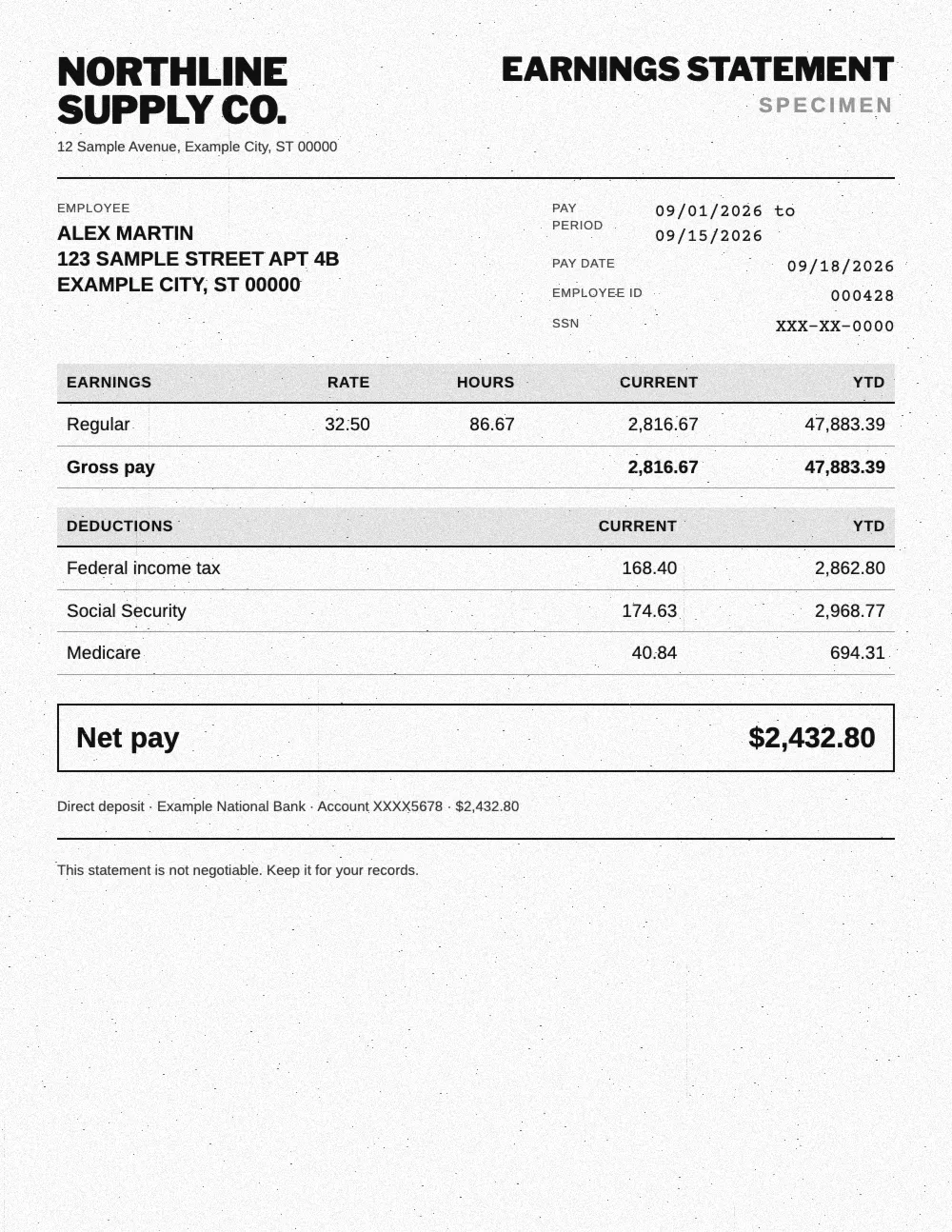
Net pay changed, contributions that do not match gross pay, a layout that does not match the payroll software.
See the detection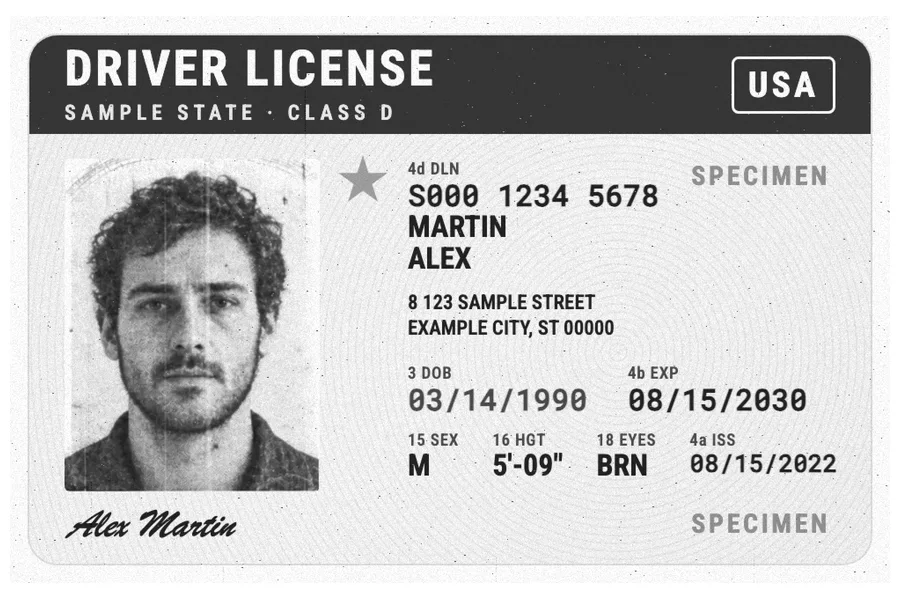
Photo replaced, date of birth or number changed, an MRZ that no longer matches the fields.
See the detection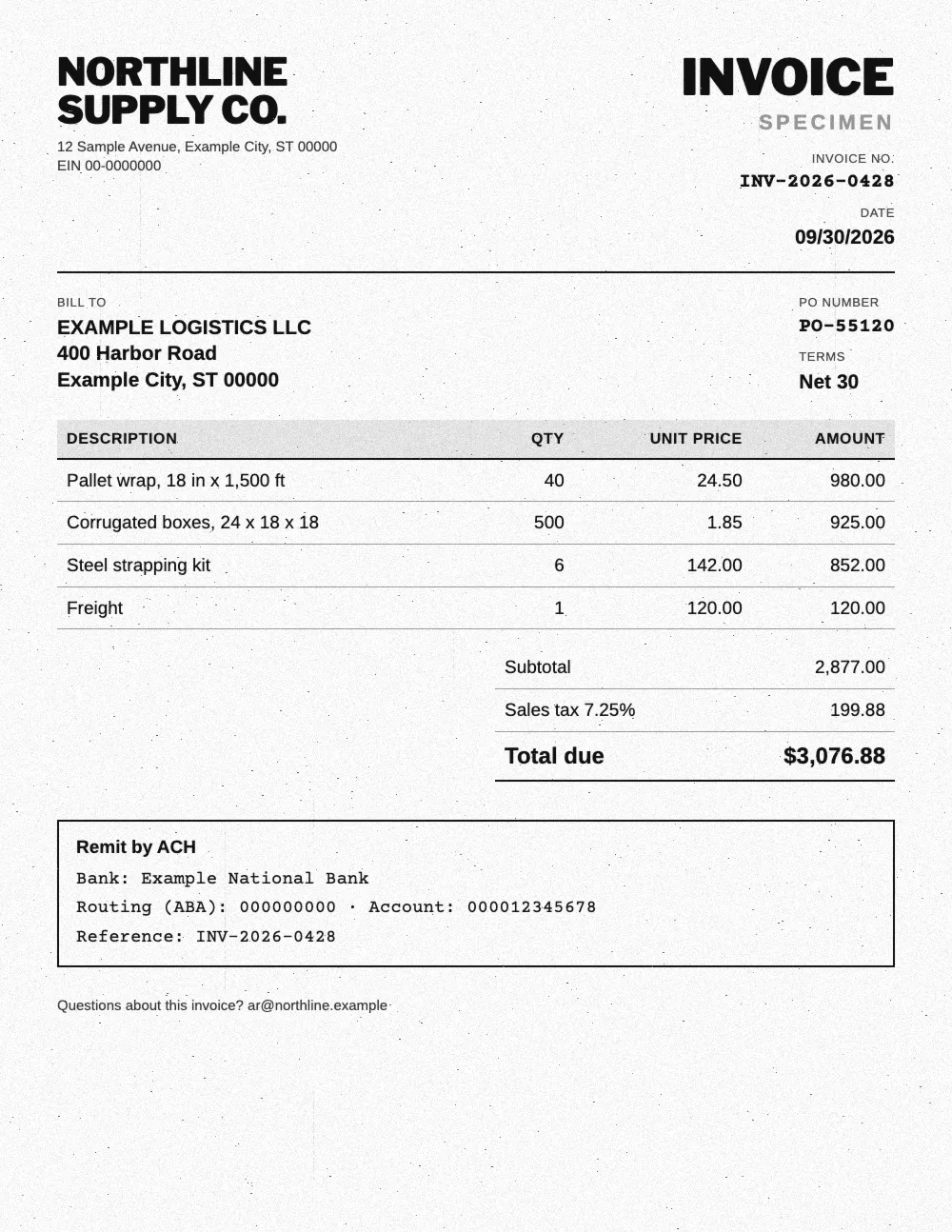
Edited amounts, wrong VAT, duplicates and made up suppliers.
See the detection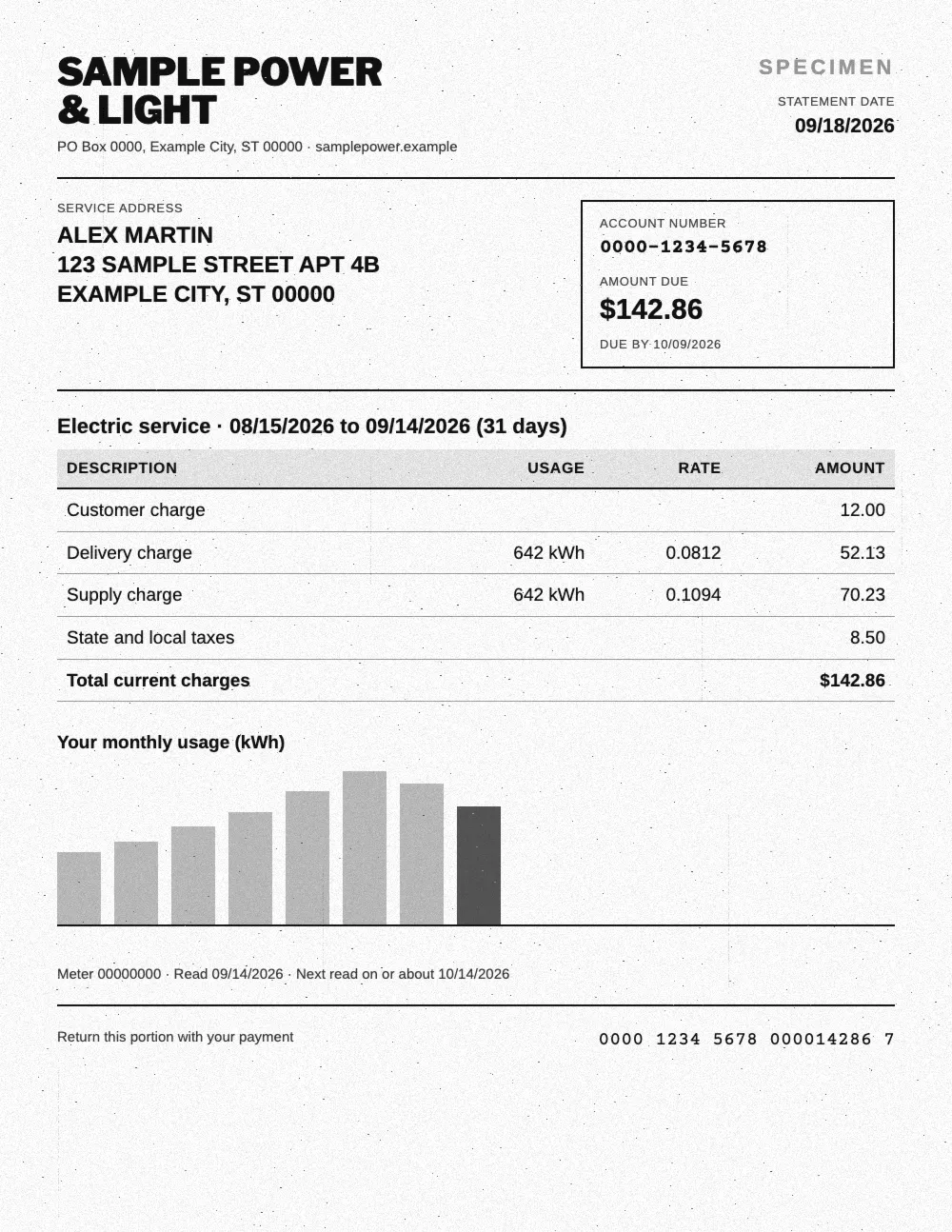
Address or name replaced on an energy or phone bill, date moved forward.
See the detectionUpload your bank statements, pay stubs or IDs: Koncile extracts the data and flags fakes in seconds.
Talk to an expert