














Edited receipts
A real receipt with a new total, a new date or an extra item, changed on the photo or the PDF. The amount moves, but the tax and the item count stay the same: the math gives it away.
Koncile detects receipts edited or generated by AI, from a phone photo or a PDF, then returns a fraud score from 0 to 100. Duplicates, sales tax and totals are checked too, on one receipt or on thousands.
Create a free account to run the analysis.
Create a free accountFor document volumes or an API, talk to an expert.
The document checker used by insurers, banks and large companies
 4.8 / 5
Yes, most of them. Redo the math: line items, sales tax and total must add up, and the item count must match the lines. Check the merchant, the date and opening hours, and whether the same receipt was already submitted. Then check the image for edits or AI generation.
Photo, scan or PDF: the checker runs four levels of checks. An edited total, a recycled receipt or an AI generated one leaves traces, in the pixels, in the figures or in the history.
Lines, sales tax, total, item count: everything is read and recomputed. An edited total almost always keeps the tax of the old amount, and a generated receipt often gets the cents wrong.
K-Detect, our image analysis model, isolates pasted digits, smoothed areas and receipts generated in whole or in part by AI, including those that imitate crumpled paper.
The same receipt cropped, photographed again or turned into a PDF is still the same purchase: same store, same minute, same amount. Koncile searches the file and the whole history, overnight, on the whole flow.
Transaction numbers that must follow the dates, a point of sale layout that does not change in three days at the same store, opening hours: these only show when receipts sit side by side.
Receipts are where document fraud is high volume and low value: a few dollars per receipt, thousands of receipts. Four patterns come up again and again.
A real receipt with a new total, a new date or an extra item, changed on the photo or the PDF. The amount moves, but the tax and the item count stay the same: the math gives it away.
The same receipt sent twice, by the same person or by two people, often cropped or photographed again to look different. A check on file names sees nothing: Koncile compares the content.
A chat assistant now produces a crumpled receipt photo from a real store in seconds, with plausible prices. The traces are in the image itself, and in arithmetic that image models handle poorly.
An authentic receipt picked up, bought or borrowed, submitted by someone who never made the purchase. No file check can see it: only the duplicate check or the rest of the file brings it out.
Most fake receipt checkers on the market are general AI image detectors with an upload box. They answer one question, was this image generated, and miss most receipt fraud.
An edited total, a duplicate or a borrowed receipt are real photos of real paper. An AI image detector says genuine, correctly, and the fraud goes through. The math and the duplicate check are what catch them.
Transaction numbers that go backwards, a point of sale layout that changes within three days at the same store: these show only when receipts are compared with each other, which a one image detector never does.
A rebate or loyalty program receives receipts by the thousand. The useful check runs on every receipt, at upload or overnight on the whole flow, and returns structured fields with the score, not a screenshot of a verdict.
These checks follow the fraud patterns identified in the field with an audit firm, on real expense reports. Each receipt gets a fraud score from 0 to 100 with the detail test by test.
Lines are added up, tax recalculated, the total compared with the printed one. The number of lines is compared with the item count printed at the bottom.
Two receipts from the same store, at the same minute, for the same amount are the same receipt, even cropped, photographed again or turned into a PDF. Duplicates are searched in the file and in the client's whole history.
Transaction numbers out of sequence, a point of sale version that changes within days at one store, a time outside opening hours: these show from one receipt to the next, hence checks within and across documents.
On a photo, K-Detect, our image analysis model, spots edited areas and receipts generated by AI. Camera metadata is read when it is there.
E-receipts and contractor invoices arrive as PDFs: the software that produced the file and its dates are compared with the expected profile. A contractor invoice made in Word and modified after its date is a signal.
"No more than two receipts from the same store on the same day", "the promoted product must appear on the receipt": your rules are written in plain English and run on every receipt, without development.
Koncile's fraud detection API gives you a score from 0 to 100 and detailed explanations of manipulation risks, right inside your own tools: in real time at upload, or overnight on the whole flow.
Merchant, date, time, items, tax and total, ready to match.
High, medium or low level, with a one sentence explanation.
High risk from 80.
A one line summary ready for your information system.
curl -X POST https://api.koncile.ai/v1/upload_file \ -H "Authorization: Bearer $API_KEY" \ -F "files=@receipt.jpg"requests.post("https://api.koncile.ai/v1/upload_file/", headers={"Authorization": f"Bearer {API_KEY}"}, files=[("files", open("receipt.jpg", "rb"))]){ "status": "DONE", "General_fields": { "Merchant": {"value": "Example Store", "confidence_score": 0.98}, "Total_amount": {"value": "38.99", "confidence_score": 0.99} }, "Fraud_detection": { "risk_score": 84, "summary": "AI generated image, sales tax inconsistent with total, receipt number already seen", "signals": [ {"name": "AI generated image", "severity": "high"}, {"name": "Duplicate receipt", "severity": "medium"} ] }}Wherever a receipt triggers a payment, a fake costs the full payout. Here is where the checker fits in.
The consumer uploads a receipt, a cut out barcode and bank details. In France, Helo Activation checks 100,000 files a year this way, with refunds of 400 to 600 euros, from store receipts to contractor invoices.
Every receipt earns points. Duplicates and AI generated receipts are stopped before points are credited, not after the campaign ends.
Receipts are read, matched with the report and compared with each other: numbers out of sequence, a point of sale that changes, a receipt generated by AI. The check runs on every report, not a sample.
After a theft or a loss, the receipt proves the purchase and the value. It is checked before payment, with a score the adjuster can explain.
Most receipts arrive as phone photos. It helps to know what can be read from them, and what cannot.
A photographed thermal receipt has no original file to analyse, and many apps strip photo metadata on upload. The check then relies on consistency, items, tax, totals, merchant, time, and on the image itself.
Real receipts are folded, faded, sometimes torn. These flaws are not fraud signals and the score ignores them. The receipt that looks too perfect, sharp as a screen, is the one that draws attention.
A total consistent with its lines can still be false if the prices do not match the store. Without the merchant's price list, the check relies on the math, the duplicate check and the image.
Without a tool, these three checks stop clumsy fakes in a minute.
Add up the lines, recompute the sales tax at the local rate, compare with the total. Count the lines and compare with the item count.
Does the store exist at that address, was it open at that hour, does the weekday match the date? A receipt dated on a holiday at closing time should raise a question.
On an expense report or a rebate claim, compare the receipts: same layout for the same store, numbers that follow the dates, never the same receipt twice.
An edited total or an AI generated receipt often leaves no visible error. The checker relies on the math, the comparison with other receipts and image analysis.
| Element of the receipt | What Koncile checks | What gives a fake away |
|---|---|---|
| Lines and total | Sum of lines, sales tax, printed total | A total that does not add up, tax computed on the old amount |
| Item count | Lines read against the item count printed | "Items sold: 3" for two lines |
| Duplicates | Store, date, time and amount compared with the history | The same receipt cropped or photographed again |
| Numbers and point of sale | Sequence of transaction numbers, layout per store | A sequence that goes backwards, two layouts at the same store |
| Image | Edited areas and AI generated images, with K-Detect | A pasted digit, paper that is too clean, a generated texture |
| Metadata | Camera data of a photo, software and dates of a PDF | An image editor, a PDF modified after its date |
A receipt says where and when a person shopped, and a rebate claim adds bank details. Founded by a former lawyer, Koncile was built with data protection at the core of its architecture: third party SOC 2 audit, GDPR compliance, secure hosting. Receipts are encrypted, deleted after analysis and never used to train a model.



Redo the math, line items, sales tax and total; check the store, the date and opening hours; make sure the same receipt was not already submitted. Then check the image for edits or AI generation. The checker at the top of this page runs these checks in about ten seconds.
Yes. A chat assistant produces a realistic receipt photo in seconds, crumpled paper and real store name included. That is why the check cannot rely on the eye: image analysis spots the generation traces, and the math often fails on totals and tax.
They check that the receipt matches the claimed item, its value and the purchase date, and that the store exists. More and more run the receipt through document fraud detection before payment: image analysis, duplicate search across claims, and consistency of totals and tax.
No. A real receipt submitted by someone else stays authentic, and a generated receipt printed then photographed again loses part of its traces. The score measures a risk; a high score is a signal to verify, not a verdict.
It can redo a tax calculation. It lacks models trained on edited or generated images, and above all the memory of every receipt already received, without which no duplicate shows. A language model is only one part of the machine.
It depends on your volume. The price combines a base subscription and a cost per page or per document processed. The plans are detailed on the pricing page.
Yes. Koncile complies with SOC 2 and GDPR, and an independent firm certifies our security and data protection. Receipts are encrypted, deleted after analysis and never used to train a model.
Each document gets its own method: a proprietary ML model for photos, known metadata and forensics for native PDFs, and contextual cross checks.
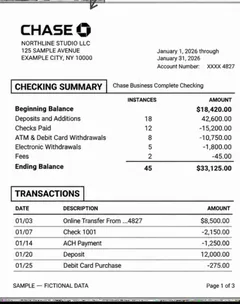
Inflated balances, deleted lines, a PDF rewritten with software other than the bank's.
See the detection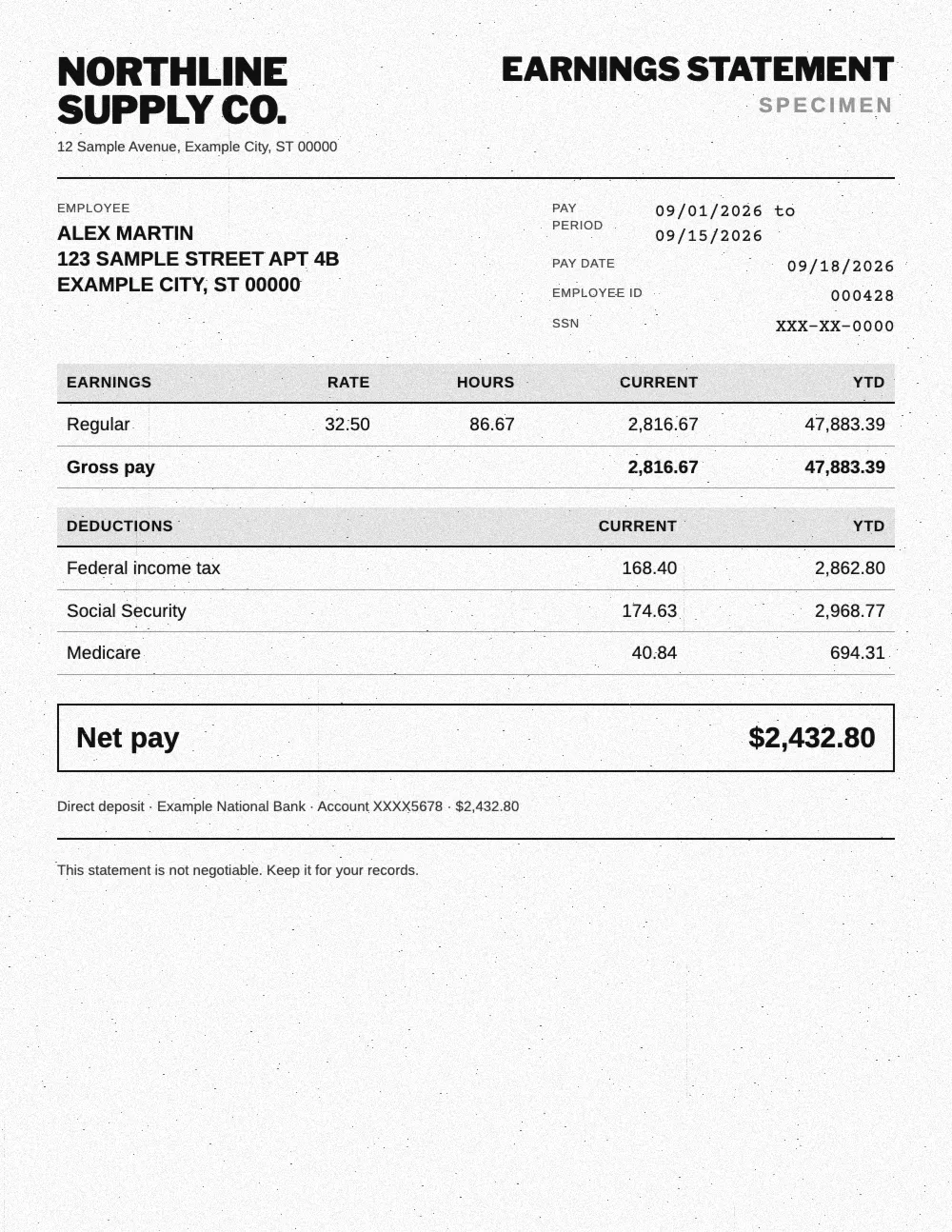
Net pay changed, contributions that do not match gross pay, a layout that does not match the payroll software.
See the detection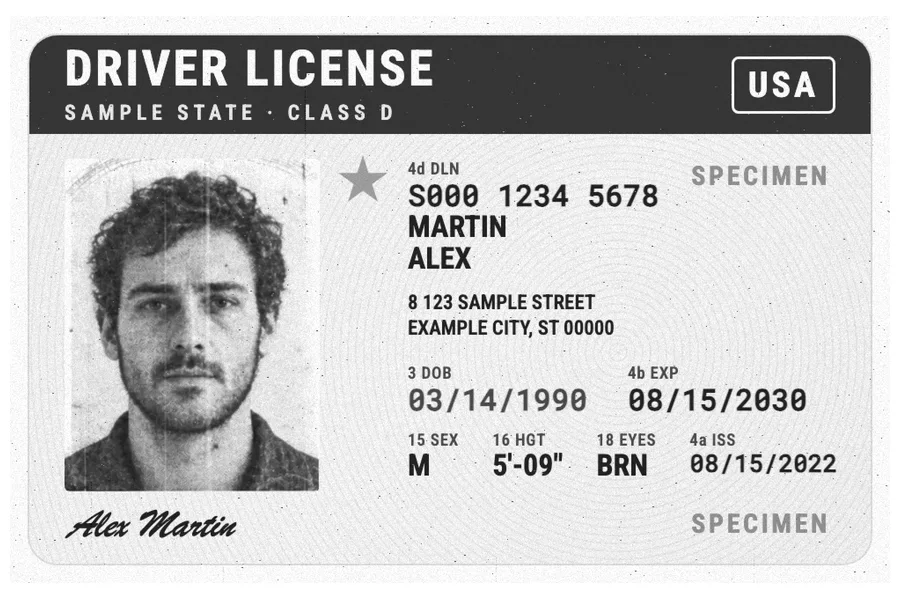
Photo replaced, date of birth or number changed, an MRZ that no longer matches the fields.
See the detection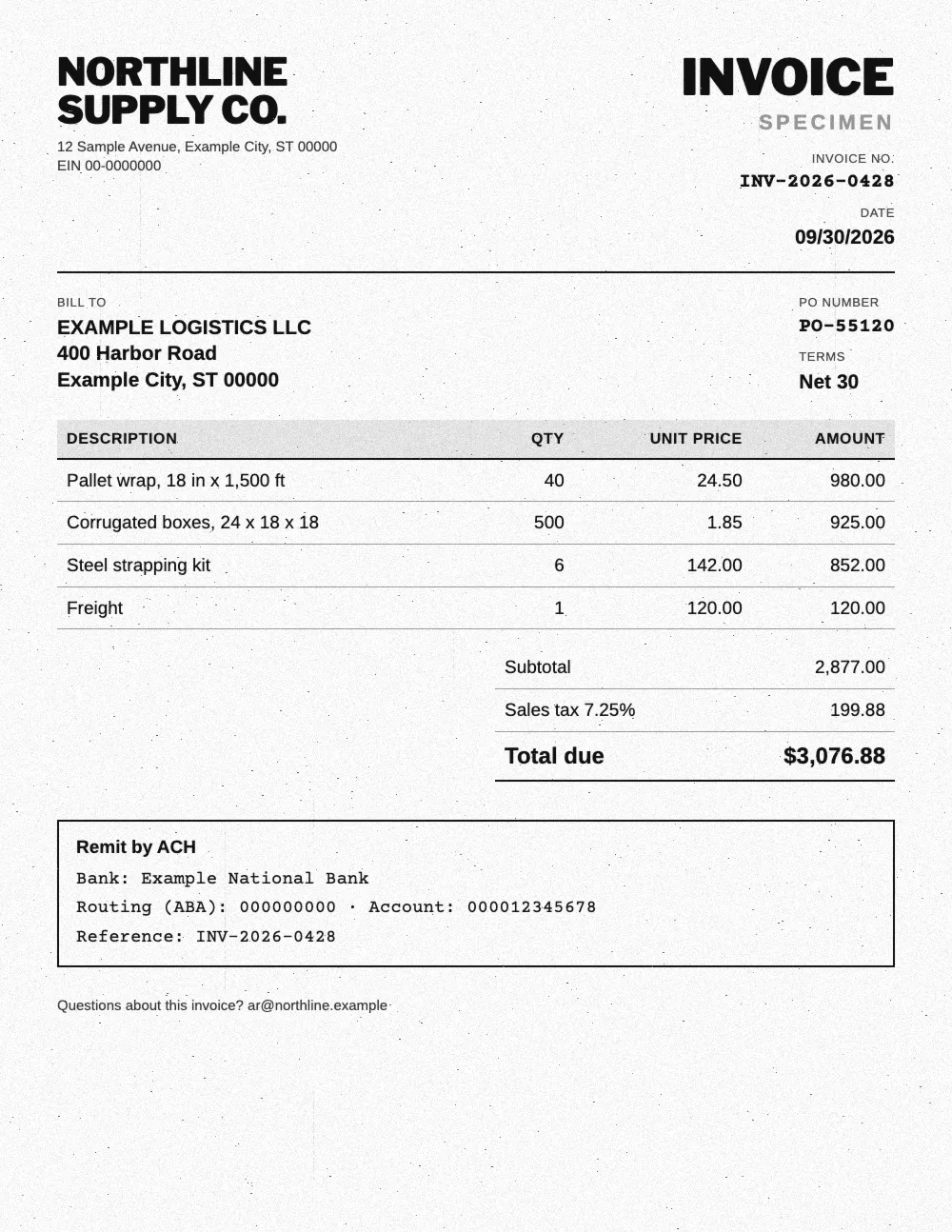
Edited amounts, wrong VAT, duplicates and made up suppliers.
See the detectionUpload your bank statements, pay stubs or IDs: Koncile extracts the data and flags fakes in seconds.
Talk to an expert